The Permission Method
Pam Kalinoski on why mindset comes last, and what to do before it
By Pam Kalinoski, mindset coach, as told to Ground Work
- Date:
- November 9 2026
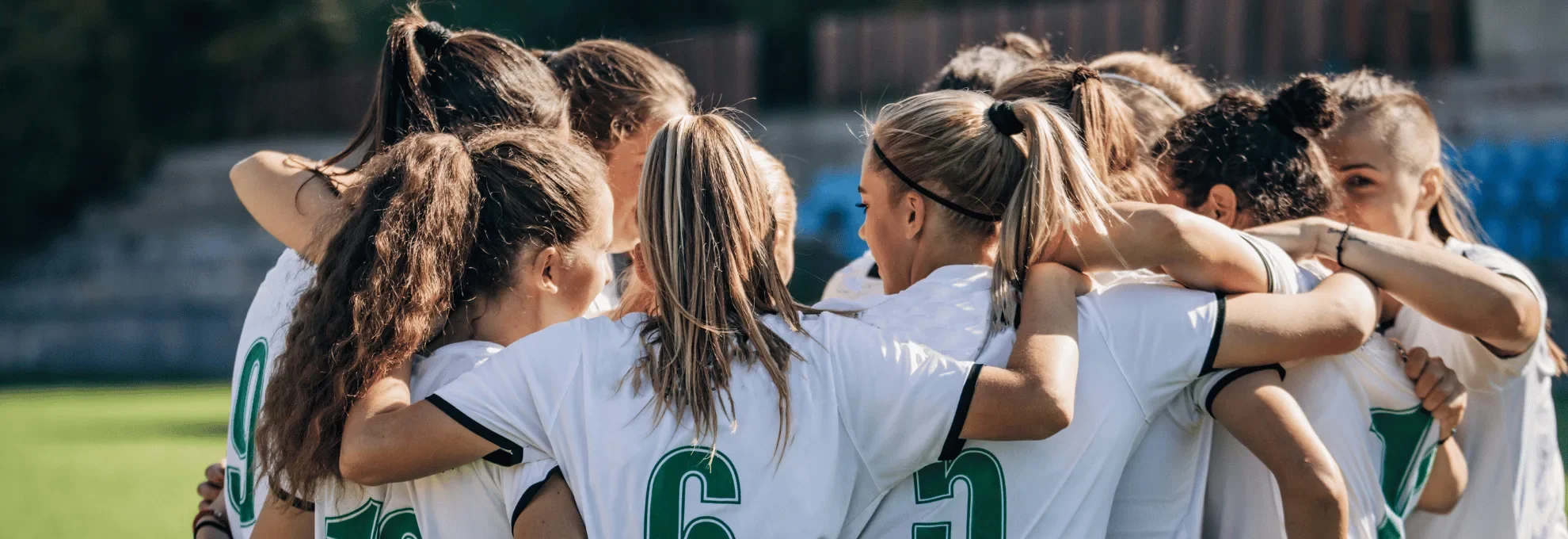
I was the twenty-sixth player on a twenty-six-player roster on the best women's soccer program in the nation. I was the dead-last walk-on. The kind of story that's supposed to end quietly.
It didn't.
By my senior year, I was captain, MVP of the National Championship team, and had been part of four national championship teams without losing a game. And for a long time, I told that story the way everyone wanted to hear it: as a story about mindset. Grit. Wanting it more.
Twenty years in elite sport, mindset coaching, and personal development later, I don't tell that story the same way anymore. Because mindset wasn't what got me there. Mindset came last. Something else came first, and that something is what I now spend my working life teaching.
You can't mindset your way out of survival
Here's the thing almost nobody tells you about motivation. It doesn't lead. It follows.
When your body is in survival mode, when you're braced, exhausted, scanning, or running on fumes, no amount of positive thinking gets through. You can read every book. You can write the affirmations. Your system isn't listening because it's busy keeping you alive. Mindset doesn't lead healing. It doesn't even lead performance. It's not first. It's not close to first.
So I stopped trying to fix people's thinking and started asking a different question.
What happens when we give ourselves permission?
I've become less interested in how we change and much more interested in what happens when we wait for someone else to give us permission. A coach. A parent. A boss. A partner. Someone with the authority to say, yes, you're allowed.
Most of us are waiting. We've been waiting so long we don't even notice we're doing it.
So the question at the heart of my work is this: What happens when we learn to give permission to ourselves?
Not permission to win, or to be great, or to push harder. Permission to acknowledge where we are without judging ourselves for it, while recognizing that we are always evolving. Permission to change, to grow, to explore what's possible, and to become who we want to be. Permission to rest. Permission to want the things we want. Permission to move forward without needing someone else's approval.
That's the whole method. Everything else is scaffolding around that one shift.
Whose voice is that?
Try something. Get into a space of quiet. Then think about something you've wanted to do for a long time. Not a small thing. The thing.
Now notice what happens inside you when you imagine actually doing it.
Is there resistance? Usually there is. And usually it has a voice. Notice the voice. Don't argue with it. Don't react to it. Just listen.
Then ask: Whose voice does that sound like?
Because it's almost never yours. It belongs to a coach, a parent, a teacher, an old version of you that needed that voice to survive something. It got you through. It's been running things ever since, and nobody told it the situation changed.
Then ask two more questions. Do I want that voice making decisions for me today? And does it still need to be in charge?
You don't have to fight it. You just have to notice it's there and decide whether it's still the right voice for today. Most of the time, the honest answer is: It did its job, and it can stand down now.
And then you finish the sentence: Today, I give myself permission to...
That's the practice. It's in the microlearning that goes with this episode, and it takes about five minutes.
The Three C's: Challenge, Control, Commitment
Alongside self-reflection and self-awareness, there's another tool I use with my clients that I learned from another performance coach and have incorporated into the Permission Method. It's called The Three C's. It's a simple way to move from feeling overwhelmed or stuck to recognizing where you have a choice and taking ownership of what comes next.
What is my challenge right now, today? Not the big life challenge. Today's.
What can I control within that challenge? Usually less than you think. Almost always more than nothing.
What am I willing to commit to? Not what you should do. What you're actually willing to do, today, with what you can control.
That's it. Three questions. They work for a sixteen-year-old before a game, a professional athlete coming back from an injury, and a parent at the end of a day that went sideways. They work because they don't ask you to think differently. They ask you to see clearly, recognize your choices, and decide how you want to move forward.
Why this comes before mindset
Mindset is real. I'm a mindset coach. But mindset is the last layer, not the first, and when we put it first, we set people up to fail and then blame them for failing.
Before mindset can really take hold, we have to pay attention to the human underneath. That means understanding what's happening internally, recognizing the voices and beliefs influencing our decisions, and creating the conditions where we feel safe enough to explore, grow, and make different choices. From there, we can begin to build the mindset and tools that support us.
I've watched it happen with athletes who had every tool and still couldn't perform. I've watched it with teenagers who'd been told they lacked discipline when what they lacked was permission. And I lived it, as a walk-on who was told she'd be lucky to see the field.
Permission doesn't mean avoiding responsibility, lowering expectations, or making excuses. It means creating the internal space to recognize where you are, own your choices, and take responsibility for where you want to go.
The permission was always mine to give. It took me a long time to work that out. It doesn't have to take you as long.
Pam Kalinoski has spent twenty years in elite sport, mindset coaching, and human development, working with athletes from high school to the professional level. She created the Permission Method, a human development approach that helps athletes and their families build the emotional, mental, and environmental foundations for confidence, resilience, and performance. Hear the full conversation on Ground Work, a podcast from We Move to Heal.
Are you ready to take the journey?
Take the journey and find your nature guide.