
Nature Doesn't Care About Your Splits
When the Watch Stops Running the Show
- Author:
- William Burnett
- Date:
- July 15 2026
There is a moment, somewhere past the second hour on a real trail, when the watch stops running the show. Not that I stop looking at it; something underneath the looking goes quiet. The first twenty minutes of almost any session, my mind is doing arithmetic: pace, heart rate, distance to the next rise. Same maths whether I'm pounding a tempo into town or three hours deep into coastal scrub that hasn't taken a boot print all week. Then, out on real ground, the accounting stops, and something else takes over, what people might now call mindful running, that I've never had a proper word for until recently. It turns out the word isn't poetry. It's physiology.
Where Training Actually Happens
I should say up front, most of my training doesn't happen out there. It happens on roads. Some weeks, it happens on a treadmill in the dark before the house wakes up, because that's what real life with a family, a business, and a body still coming back from injury looks like most mornings. The trail days are the minority, and I want to be honest about that before I say anything else, because the version of this that pretends otherwise isn't useful to anyone reading it.
What Changes on Real Ground
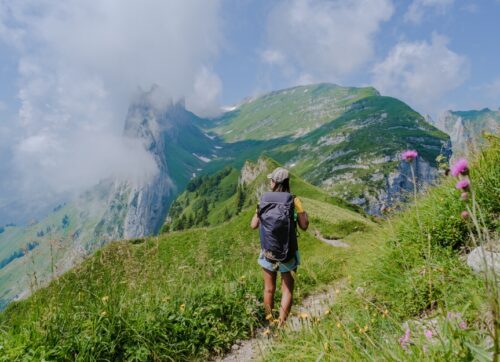
But when I do get out, and I'm lucky enough that where I live makes it possible more often than most, headlands and coastal scrub a short run from my own front door, salt air mixing with the dry, sharp smell of gum leaves in the heat, something happens that road running has never once given me. For a long time, I put that down to terrain: softer ground, more for the ankles and the mind to solve, more variety. Those are quieter trail benefits. I don't think that's the whole answer anymore.
Forest Bathing: What the Science Suggests
A Japanese physician, Dr. Qing Li, spent years studying shinrin-yoku, also known as forest bathing. Not hiking, not exercise, just standing inside a forest and letting it in through your lungs. The benefits turned out to be measurable. Two or three days immersed in that air showed a real, measured rise in natural killer cell activity, sometimes close to 50%, and it doesn't fade on the drive home. It holds for a week, sometimes closer to a month.
The mechanism has a name: phytoncides are oils that the trees produce to defend themselves against insects and bacteria, and you inhale them without ever deciding to. Here's the detail that stopped me: Li ran the same design on people visiting a city instead of a forest. Same length, same measurements, same everything except the trees. Nothing moved. No immune shift, no drop in stress hormones. The forest wasn't a nicer version of exercising outside. It was doing something a city cannot do, because a city doesn't have what's doing it.
Not Forests, But Bush: The Australian Version
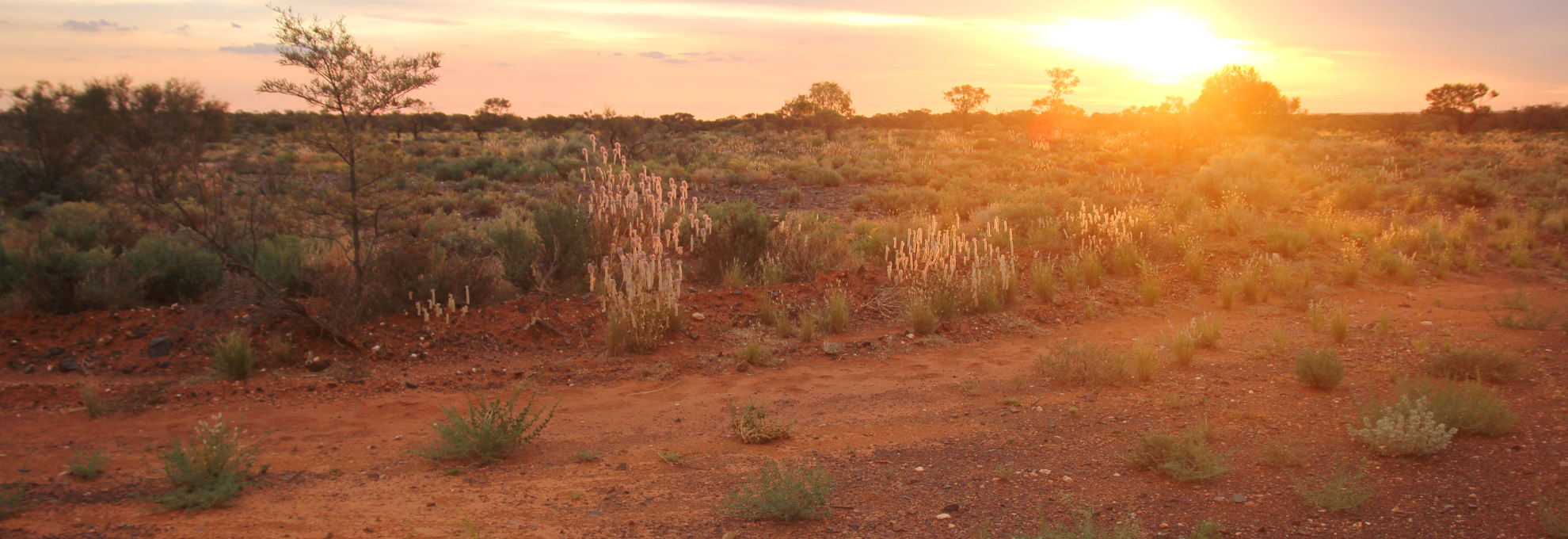
We don't have forests here, not really, not the way Japan or the UK or half the postcards of nature people picture when they hear that word. We have bush. Eucalyptus, banksia, that dry rattle of leaves that doesn't sound like anywhere else on earth. Our trees have been doing their own version of Li's research the entire time, in plain sight.
The Blue Mountains west of Sydney are called blue because on a hot day, the eucalypts release such a heavy volume of their own oils, eucalyptus terpenes, that the air itself changes color, a literal blue haze over the ranges. Different tree, different chemistry, same underlying truth: something is coming off that bush whether you're paying attention or not. It's not decoration. It's not a mood. It's doing something to you at a cellular level, whether you clock it or not.
Attention, Smell, and Running Without Music
Someone told me something that reframed a habit I'd never questioned, running with music. The dominant channel through which those compounds act on the nervous system is smell. Running with music doesn't block smell, but it often blocks presence, the quiet where smell and breath register. You can run through the cleanest stretch of bush on this coast and, with a playlist in your skull, receive almost none of what it's actually offering you.
I've run thousands of kilometers with something playing, making the miles pass more easily. I won't pretend otherwise. But I've started leaving the headphones at home on certain days, the days I actually want what nature is offering rather than just want the run to be over, and the difference shows up inside the first kilometer. The world gets louder, not literally; louder in the sense that it stops being background and starts being present: the ocean off to the side, the dry crack of a branch that hasn't heard rain in a fortnight, my own breath instead of someone else's voice in my ear.
This Is Not Anti-Road: Respect the Context
I want to be careful here. It would be easy to write this as an argument against the road, against the treadmill, against the version of movement most people, including me, actually have access to. That would be dishonest and useless. Urban movement keeps the engine turning. It's real. It counts. It's often the only version of movement that fits inside an actual life with actual children who need lunches made before seven in the morning.
In that world, the gear matters more because you're loading the same joints on the same unforgiving surface day after day, and the body needs the buffer. I won't stand here in trail shoes telling someone doing repeats around their block that their setup doesn't matter. In that context, it matters enormously.
Strip the Layers Back on Trail Days
What I'm pointing at is something else entirely: the rare, fleeting days you actually get out, properly out. Most of us bring the road with us anyway, same shoes we'd wear on concrete, same headphones, same obsession with pace we trained on a track. The opportunity to strip all of that back arrives, and mostly we don't take it.
The version of running that has changed me the most was never the version with the best kit. It was the version with things removed. No music. A watch I don't check until the very end. Shoes, chosen for how the actual ground feels that day rather than what a review site ranked highest. It sounds small, but it is not small. Take the layers off, and what's left to notice expands: the temperature drop under the canopy, the particular smell of wet bark against dry, my own breath instead of a track. Every one of those things is information the nervous system already knows exactly what to do with, and every one gets muted by the convenience I default to without thinking.
Lessons From 81 Consecutive Ultras
Eighty-one consecutive ultramarathons, Margaret River to Byron Bay, right across the width of this country on foot. If you'd asked me on day one what the hardest part would be, I'd have said the distance. By day thirty, the answer had changed. The hardest part was staying present for 4,500 kilometers instead of letting the body run on autopilot while the mind checked out.
The days I stripped it all the way back, no music, barely glancing at the watch, full attention on the ground underneath me, were some of the easiest days of the entire crossing. Not physically easier. My nervous system simply had less to defend against and more to actually take in.
A Practical Invitation
Keep training on the road. It's real; most of the week will happen there for almost everyone reading this, and there's no shame in that being ninety percent of your training. But when real nature actually shows up, a weekend, an afternoon, an hour stolen before the day starts, take the layers off.
Leave the headphones at home. Let the watch go quiet in a pocket. Choose shoes for feel, not for rankings. Let your nose do the noticing that your eyes usually do all the work for.
Your body already knows exactly what to do with what it finds there. It's been doing this a lot longer than any of us has owned a pair of running shoes.
Are you ready to take the journey?
Take the journey and find your nature guide.