

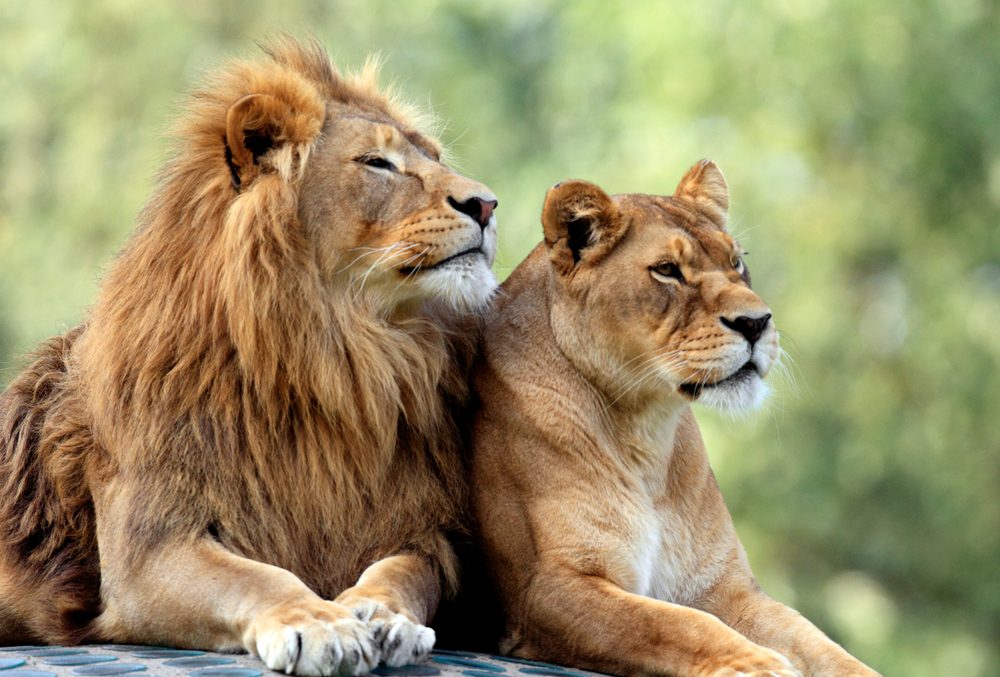
Roaring Through Time: The Lion's Legacy in Nigeria
In Nigeria's rich tapestry of history and culture, the lion emerges as a symbol deeply intertwined with the essence of mind, body, and soul. Since ancient times, these majestic creatures have roamed the landscapes of Nigerian folklore, embodying qualities revered by the human spirit.
- Date:
- September 1 2024
Lions reign supreme in the realm of the mind, embodying courage and mental fortitude. Ancient Nigerian beliefs enshrine lions as protectors of wisdom and resilience, revered as symbols of strength in the face of adversity. Through tales passed down through generations, the lion's presence in folklore serves as a testament to the enduring power of the human psyche to conquer challenges.
The lion in stories, symbols, and everyday language
Across many Nigerian communities, the lion is less an ordinary animal than a living metaphor. In oral traditions, proverbs, and praise poetry, the “king of the bush” often represents decisive leadership, measured power, and the responsibility that comes with strength. Even when a story focuses on a hunter, a village elder, or a clever trickster, the lion frequently appears as the ultimate test of character: a force that reveals fear, courage, humility, and respect for the natural world.
This symbolic role matters because it shapes how people relate to the landscapes around them. When an animal stands for bravery and dignity, it becomes easier to understand why its presence can be emotionally meaningful. For many, the lion’s image carries a sense of ancestral memory, an echo of times when wildlife was more visible, and ecosystems felt closer to daily life.
Lions and Nigeria’s landscapes
Nigeria sits within a broader West African range where lions have faced steep declines over the past century. Historically, lions were associated with savanna and woodland ecosystems in the north, where open terrain supports the hunting style that lions are known for. Today, lions are believed to persist only in limited pockets, and their survival is closely tied to the health of protected areas, prey availability, and the ability of communities to live safely alongside wildlife.
In a practical sense, lions are also part of the body of the ecosystem. As apex predators, they influence how herbivores move and feed, which in turn affects grasses, trees, and water sources. When predator populations collapse, the balance of an ecosystem can shift in subtle but powerful ways, changing what grows, what disappears, and how resilient the land remains during droughts or periods of heavy human pressure.
The colonial era brought significant changes to Nigeria's landscape, impacting both wildlife and human consciousness. As colonial encounters reshaped the land, habitat loss and human-wildlife conflicts threatened lion populations, mirroring the struggle for survival inherent in the human condition.
Conflict, coexistence, and what communities face
Where people and lions share space, the relationship is complex. A single incident of livestock loss can threaten a family’s livelihood and intensify fear, anger, and grief. Over time, recurring conflict can turn a powerful cultural symbol into a source of stress. This is why coexistence work must be grounded in real needs: safer livestock enclosures, rapid response when conflict occurs, fair systems for reporting losses, and practical support that reduces risk.
Coexistence is also a mental and emotional process. Living near large wildlife can bring pride, but it can also bring anxiety. When communities are included as partners rather than treated as bystanders, conservation becomes less about policing land and more about protecting the well-being of people and of the ecosystems that support them.
In response to the challenges faced by lion populations, community-led conservation initiatives have emerged across Nigeria. These efforts strive to restore balance to ecosystems and foster a soulful connection between humans and nature. The lion's roar resounds through art, literature, and cultural expressions, inspiring collective pride and identity.
Conservation as care for mind, body, and soul
Conservation in Nigeria increasingly recognizes that protecting wildlife is inseparable from supporting people. When rangelands are managed sustainably, water sources are protected, and prey species can recover, the land becomes healthier for everyone. This is the “body” of conservation: the measurable work of habitat protection, scientific monitoring, ranger support, and community programs that reduce pressure on fragile ecosystems.
There is also a “mind” aspect: education, storytelling, and shared knowledge that make conservation relevant to everyday life. When young people learn how ecosystems function and how quickly they can unravel, conservation shifts from an abstract idea to a skill set and a sense of responsibility.
And finally, there is “soul.” For many Nigerians, nature is not merely scenery; it is part of identity and belonging. The lion, whether seen in the wild or encountered through stories, can remind us that strength is not only about dominance. It is also about restraint, balance, and the wisdom to protect what cannot be replaced.
How readers can support the lion’s legacy
Honoring the lion’s place in Nigeria does not require living near a protected area. Support can be practical and local: amplifying credible conservation work, learning from community-led initiatives, and respecting protected spaces when visiting parks. For those who want to go further, donating to transparent conservation programs, supporting sustainable livelihoods that reduce pressure on wildlife habitat, and encouraging responsible land-use policies all make a difference.
Just as importantly, keep the cultural memory alive. Share stories that connect courage with care, and leadership with protection. When the lion remains a symbol of dignity rather than a relic of the past, it strengthens the social will needed to protect living populations.
As Nigeria moves forward, the lion's story remains a testament to the intertwined destinies of mind, body, and soul. Honoring the lion's legacy requires a holistic approach to conservation, nurturing the well-being of minds, bodies, and souls. Through this approach, Nigeria paves the path towards a harmonious coexistence with nature.
The lion's legacy in Nigeria serves as a reminder of the interconnectedness of all living beings. By embracing a holistic vision of conservation and honoring the lion's storied past, Nigeria can forge a future where humans and wildlife thrive together in harmony.
Are you ready to take the journey?
Take the journey and find your nature guide.