

Orcas Need Protection, Not Awareness Alone
- Author:
- Christopher Truffa
- Date:
- February 9 2026
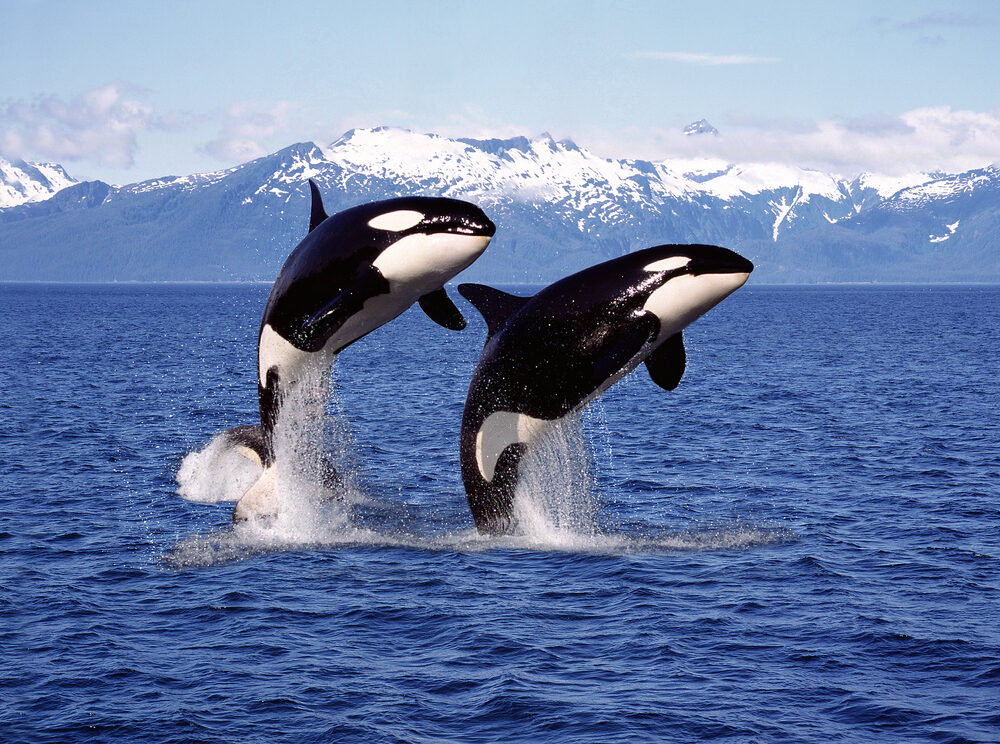
Orcas live in every ocean on Earth, from polar seas to temperate coastlines and open waters. This wide range hides a hard truth. Many orca populations face decline. Some pods shrink each year. Others show lower birth rates, higher disease levels, and broken social structures.
These outcomes do not reflect weakness. They reflect ocean conditions shaped by human behavior. Orcas depend on stable, quiet, and food-rich marine systems. When those systems break down, orcas absorb the damage.
Why Orcas Face Growing Risk
Orcas sit at the top of the marine food web. This position exposes them to everything that enters the ocean below them. Pollutants, noise, and food waste accumulate over time, and the body absorbs these toxins.
Chemical pollution flows into the sea through rivers, agricultural runoff, and wastewater systems. These chemicals bind to fat and move up the food chain. Orcas store these toxins for decades. Research links high toxin levels to weakened immune response, reduced fertility, and higher calf mortality.
Noise pollution disrupts daily survival. Orcas rely on sound to hunt, navigate, and maintain pod cohesion. Commercial shipping, military sonar, and industrial activity interfere with echolocation. Chronic noise forces orcas to expend more energy to find food and communicate, increasing stress and reducing feeding success.
Overfishing removes key prey species. Many orca populations depend on specific fish or squid. When fisheries reduce those stocks, orcas struggle to meet energy needs. Pregnant females and nursing mothers face the most significant strain.
Climate change reshapes ocean systems. Rising water temperatures shift prey ranges. Changing currents alter migration timing. In several regions, prey no longer appears when orcas expect it. Missed feeding windows reduce long-term survival.
Captivity and historical captures caused lasting harm. Past removals broke family lines and reduced genetic diversity. Some populations still show the effects decades later.
Legal protection varies by region. Strong marine laws exist in some areas. Others lack enforcement or clear limits on industrial activity. Learn more here
What Stable Orca Populations Look Like
Bremer Bay in Western Australia shows a different outcome. Orcas there benefit from consistent prey availability and lower industrial pressure. Seasonal migrations deliver reliable food sources. Pods remain large and socially connected.
Researchers document coordinated hunting, strong maternal bonds, and complex vocal patterns. These behaviors reflect environmental stability rather than chance.
Bremer Bay does not represent an untouched system. It shows what occurs when ecosystems function with fewer disruptions and sustained protection.
Actions That Support Orca Survival
You do not need coastal access to influence ocean health.
Support organizations that protect marine habitats and fund long-term research. Consistent monitoring helps scientists identify population changes early and respond with targeted solutions. Here are a few that might help you get started:
Whale and Dolphin Conservation
Focus: Protects marine mammals globally, funds research, and advocates for stronger protections.
Link: https://us.whales.org/
Ocean Conservancy
Focus: Protects ocean habitats, supports science-based policy, and leads long-term monitoring programs.
Link: https://oceanconservancy.org/
The Ocean Cleanup
Focus: Removes plastic from rivers and oceans, funds research on pollution pathways that harm marine life.
Link: https://theoceancleanup.com/
Marine Conservation Institute
Focus: Protects marine ecosystems and promotes large-scale marine protected areas with scientific data backing.
Link: https://marine-conservation.org/
NOAA Fisheries (National Oceanic and Atmospheric Administration)
Focus: Government-led long-term monitoring of marine mammals, including orcas, research, and conservation programs.
Link: https://www.fisheries.noaa.gov/
Reduce plastic waste and chemical runoff at home. Household products, fertilizers, and plastics often enter waterways and reach the ocean.
Choose seafood from fisheries that follow science-based quotas and verified sustainability standards. Healthy prey populations support natural feeding patterns for orcas.
Support efforts that reduce ocean noise. Shipping speed limits, rerouted traffic lanes, and sonar restrictions lower stress for marine mammals.
Advocate for strong marine protection laws and enforcement. Public engagement influences policy outcomes and funding priorities. Here are a few ways to get started:
Contact Your Elected Officials
You can write or call elected officials about ocean protection laws. Many campaigns provide tools and sample messages.
Oceana’s Take Action Portal gives letters and guides you can send to lawmakers.
https://oceana.org/take-action.
Support Policy Campaigns That Protect Oceans
Organizations run campaigns to strengthen protections for marine life and habitats.
Oceana works on policy issues, including marine protected areas and fishing regulations.
https://oceana.org/
Join Conservation Networks That Influence Lawmaking
These groups mobilize members to push for enforcement of existing laws, such as the Marine Mammal Protection Act, and international agreements.
Natural Resources Defense Council (NRDC) runs public engagement around ocean law and policy.
https://www.nrdc.org/issues/oceans
Share accurate information. Orcas are not entertainment assets. They are long-lived, socially structured predators shaped by their environment.
Why Orca Protection Matters Now
Orcas serve as indicators of ocean health. Stability reflects a balanced ecosystem.
Healthy orca populations exist where human activity respects ecological limits and long-term planning guides decision-making. Protection requires more than awareness. It requires sustained action, regulation, and accountability.
The choices you support today shape the oceans that future orca generations depend on.
Are you ready to take the journey?
Take the journey and find your nature guide.